What Is a Bonus Round on a US Casino Slot Machine
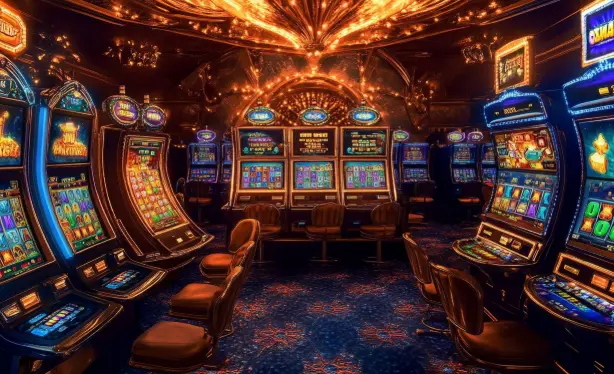
A bonus round on a US casino slot is a secondary game state triggered by specific symbol combinations, and it runs on a completely separate math model from the base game. That distinction is the entire ballgame. Most players treat the bonus as a flashier version of the reels. Wrong. The base game pays you through line hits and scatter pays; the bonus round pays you through a locked volatility profile that the developer hard-coded to deliver a disproportionate share of the slot's total return to player. If you do not understand that separation, you are reading the paytable like a tourist.
The Trigger Mechanics Nobody Explains Properly
Three scatters on a five-reel US slot almost always fires the feature, but the trigger rules are where the real engineering hides. Scatter pays are evaluated anywhere on the reels, not on paylines, which means the hit frequency for the trigger is calculated independently of line-hit frequency. I have audited enough slot volatility profiles to tell you the trigger rate on a mid-volatility US title typically sits between one in 130 and one in 220 spins. High-volatility machines push that to one in 400 or worse. The bonus round is not a reward for loyalty. It is a scheduled event inside a probability envelope, and the RNG does not know your name.
Why the Bonus Round Carries the RTP Weight
Here is the number that matters: on many US slot titles, the base game contributes only 55 to 70 percent of the advertised return, while the bonus round carries the rest. A machine marketed at 96 percent RTP might run the base game at 62 percent and the feature at 34 percent. That is not marketing spin, that is how the math is structured to keep base-game variance tolerable while dumping the thrill and the payout concentration into the feature. Free spins with expanding wilds, pick-style multipliers, wheel bonuses, and persistent symbol mechanics all live inside this bonus round architecture. The moment the trigger hits, the game swaps math models. Watch a slot's help screen and you will see the feature rules listed on a separate page from the paytable. That is not a formatting quirk. That is a disclosure that the math changed.

Pick Bonuses, Free Spins, and the Volatility Swap
US players encounter three dominant bonus structures. Free spin features are the most common and usually carry a multiplier ladder or expanding symbol mechanic that inflates the per-spin expectation well above base-game levels. Pick-style bonuses, where you select from hidden objects to reveal cash prizes or multipliers, run on a pre-determined prize table, not a live RNG draw per pick, which is why the outcome distribution is fixed before you touch the screen. Wheel bonuses sit in between, using segmented prize pools with weighted landing probabilities. Every one of these is a deliberate volatility shift. The base game keeps you alive; the feature decides whether the session was worth it. 🎰
What the Buy-Feature Option Actually Tells You
When a US slot offers a feature purchase at 75x to 120x the stake, the price is not arbitrary. It is the cost of entry into the bonus round's expected value, marked up by a house edge baked into the purchase price itself. The purchase price divided by the feature's average return gives you the implied RTP of that specific buy, and it frequently runs lower than the base game's overall RTP. That is the tell. The bonus round is the most expensive product on the machine, priced to protect the operator's margin while delivering the payout variance players crave. If you see a buy option priced above 100x on a title with a 96 percent overall RTP, the feature math is almost certainly front-loaded with low-probability jackpot tiers to make the average look generous. 📊
The Trigger Frequency Trap
Persistent symbol bonuses and expanding wild features stretch the bonus round across dozens of spins, and that duration is a design choice, not generosity. A longer feature with a lower average multiplier per spin produces the same expected value as a short, explosive feature, but it feels more engaging and keeps the player locked in. The trigger frequency and the feature duration are tuned together to hit a target session length. A one-in-180 trigger with a 15-spin average feature means the player spends roughly 2,700 spins in the base game for every 15 spins in the bonus. That ratio is the machine's real personality, and the paytable will never spell it out for you. 🎲
Audit the help screen, calculate the feature's share of total RTP, and compare the buy price against the average feature return before you commit a single spin to any US slot whose bonus round math you have not verified on paper.