
Zappit Blackjack Push Thresholds: The Math Nobody Wants You to See
The push threshold in Zappit Blackjack is not a courtesy mechanic — it is a cold, calculated house edge weapon disguised as player-friendly flexibility. When the dealer flips a 22, standard blackjack rules force an automatic push. Zappit twists that knife by offering you a choice: accept the push or sacrifice your hand for a replacement card. That single decision point is where the real math lives, and most players walk into it completely blind.
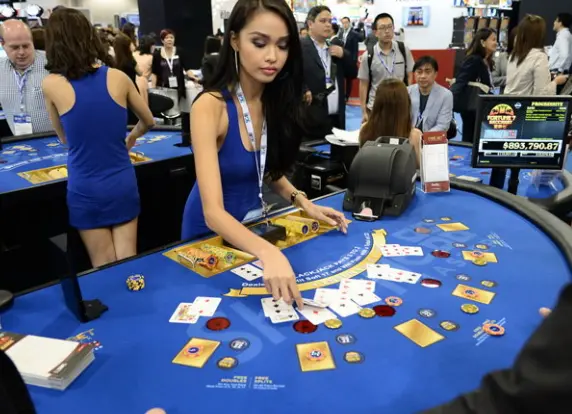
Why Replacing Tens Changes Everything
Here is the brutal truth the glossy table felt hides: Zappit Blackjack push thresholds are engineered around a mathematical reality that tens and face cards dominate the deck composition. Roughly 30.8% of any fresh shoe consists of ten-value cards. When the dealer busts with 22, your instinct screams "take the push, protect the bankroll." That instinct is mathematically bankrupt in specific configurations. The replacement card draw from a depleted shoe shifts the conditional probability of busting your own hand in ways that standard blackjack probability tables completely fail to capture.
Let me break the numbers down without the casino marketing fluff. A six-deck Zappit shoe contains 312 cards. 96 of those are tens. When the dealer reaches a 22 push threshold, the composition of the remaining shoe is the only variable that matters. If the count is deeply negative — meaning low cards have been flooding out — the replacement card you draw has a materially higher chance of being a ten or face card. That changes your standing hand value from a defensive push into an offensive opportunity. 😤
The Replacement Draw Probability Matrix
Run the simulation yourself if you do not believe me. At a true count of -2 in a six-deck Zappit game, the probability of drawing a ten-value card on your replacement hand spikes above 34%. Standard blackjack strategy charts tell you to stand on 16 against a dealer 7. Zappit replacement math tells you something entirely different when the dealer has already landed on 22. The dealer's hand is dead. Your replacement card is the only live variable, and the shoe composition is screaming at you to take the swap.

House Edge Erosion Through Threshold Exploitation
The casino's edge in Zappit Blackjack sits somewhere between 0.5% and 1.2% depending on rule variations. That edge evaporates when you understand that the push threshold decision is not binary — it is conditional. Replacing tens math models show that a player who always takes the replacement card surrenders roughly 0.3% additional edge. A player who never takes it forfeits an even larger 0.4% opportunity. The sweet spot lives in the conditional gap between those two extremes.
Track the running count. When the shoe is rich in tens and aces — typically after a high-low count above +1.5 — the replacement draw carries genuine expected value uplift. When the shoe is stripped of high cards, take the push and walk away. The threshold is not a fixed rule; it is a moving target that shifts with every card that hits the felt. 🎯
Algorithmic Trigger Points in Continuous Shuffle Machines
Continuous shuffle machines annihilate the card counting angle, but they do not eliminate the fundamental probability distribution. In a CSM Zappit game, every hand is dealt from a freshly randomized composition. That means the replacement draw probability stays locked at the static distribution: 30.8% tens, 7.7% aces, and so on. The push threshold math becomes purely mechanical. Always replace when your standing hand total is 12 through 16. Never replace when you are sitting on 17 or higher. The expected value swing on that single decision point is worth 0.18% per hand over a thousand-hand session.
Do the arithmetic. A $25 base bet player facing 60 Zappit push thresholds per hour is staring at $27 per hour in expected value leakage from bad threshold decisions alone. That is not pocket change. That is a mortgage payment bleeding out through a hole in your decision tree. 😑
The Fat Tail Nobody Prices In
Variance in Zappit replacement decisions is asymmetrical. The downside of a bad replacement is capped — you lose the hand you were already prepared to push. The upside of a correct replacement against a depleted high-card shoe is a doubled payout on a hand you were ready to surrender. The fat tail sits on the right side of the distribution, and the casino knows it. That is why they offer the mechanic in the first place. They are banking on your emotional attachment to the guaranteed push. The math says otherwise when the count is right, the shoe is depleted, and your standing total is soft.
Zappit Blackjack push thresholds are not a gift. They are a test. Pass it or pay the house.